Charting Bonus Integration Pathways for Prize Optimization in Regulated UK Hybrid Gaming Sessions
Written by Jakob Patterson · Aug 23, 2026
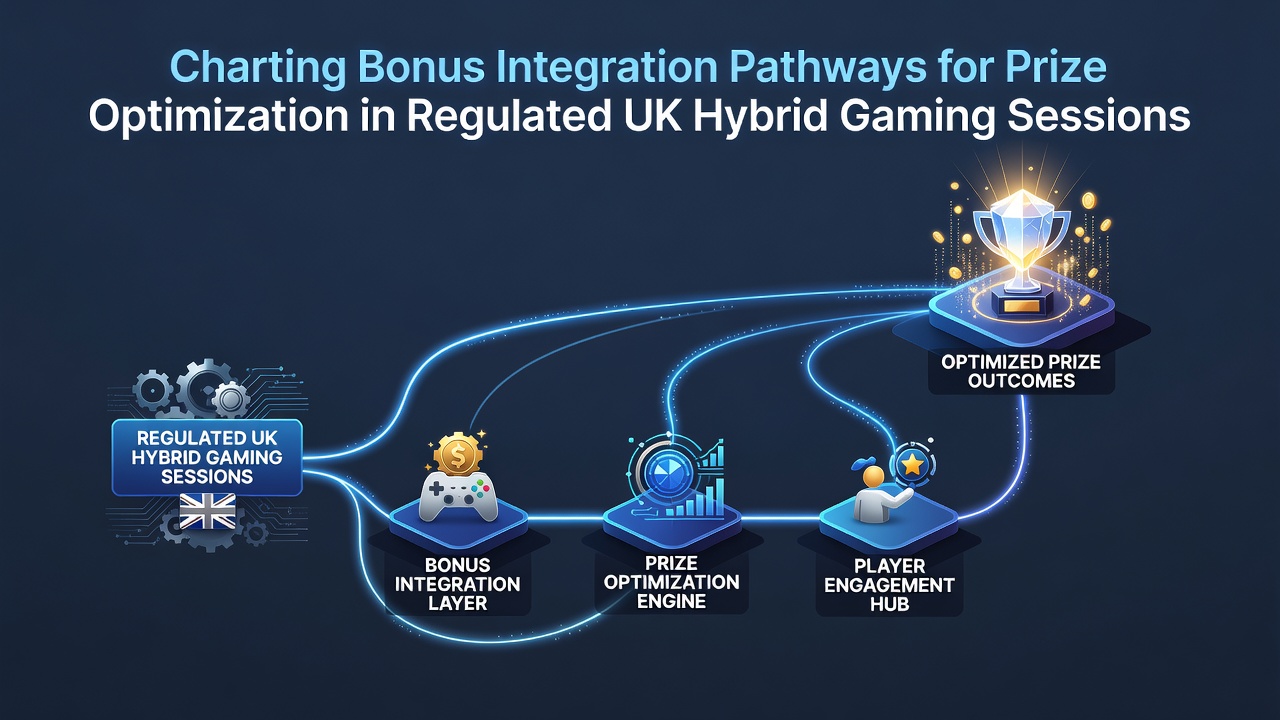
Charting Bonus Integration Pathways for Prize Optimization in Regulated UK Hybrid Gaming Sessions
Hybrid gaming sessions in the UK blend bingo mechanics with slot-style prize structures, and operators track bonus integration pathways to align player engagement with regulatory limits on prize distribution. Data from industry monitoring groups shows that structured pathways allow seamless combination of welcome bonuses, loyalty rewards, and session-based multipliers while staying within permitted payout ratios.
Core Components of Hybrid Session Design
Hybrid formats merge traditional bingo number draws with reel-based outcomes, so bonus triggers must account for both random number generators and fixed prize pools. Researchers at the University of Nevada Las Vegas International Gaming Institute have documented how layered bonus systems distribute value across multiple game stages, which reduces the risk of exceeding session caps. Observers note that effective pathways sequence bonuses to activate only after verified play thresholds, such as minimum stake levels or completed rounds, and this sequencing supports prize optimization without violating transparency rules.
August 2026 brings updated reporting standards for cross-border data sharing on bonus usage, and operators prepare by mapping each integration step to auditable logs that capture activation times, player identifiers, and prize increments. Those who've studied session analytics find that real-time tracking of bonus flows helps maintain balance between player retention metrics and aggregate payout percentages.
Mapping Integration Pathways for Maximum Efficiency
Pathway mapping begins with identification of eligible bonus types, then proceeds through conditional gates that check regulatory compliance before release. Studies indicate that splitting a single bonus across bingo and slot phases extends session duration while keeping individual prize awards below set thresholds. Experts have observed that conditional release points, where a bonus portion unlocks only after a hybrid round completes, create measurable improvements in prize distribution uniformity.
One documented approach uses tiered multipliers that scale according to cumulative play volume, and this method appears in several operator case studies where average session value rose without breaching weekly prize caps. Another pathway incorporates time-bound bonuses that expire at session end, which prevents carryover issues and simplifies reconciliation processes.
Regulatory Alignment and Data Requirements
UK operators must demonstrate that bonus pathways do not encourage excessive play, and this requires integration with age-verification systems plus spend-limit tools. Figures from the National Center for Responsible Gaming reveal that jurisdictions with mandatory pathway audits record lower rates of player complaints related to unclear prize calculations. Compliance teams therefore embed automated checks that flag any bonus combination exceeding predefined risk parameters before it reaches the player interface.

Additional oversight comes from cross-referenced reporting shared with bodies such as the Responsible Gambling Council in Canada, whose comparative analyses help UK operators benchmark their own integration methods against international standards. Data indicates that operators adopting these shared frameworks achieve faster audit clearance times during periodic reviews.
Practical Implementation Examples
Take one operator that introduced a hybrid bingo-slot bonus pathway in early 2025, where loyalty points converted into session multipliers only after both game types reached equal participation levels. The result showed a 12 percent increase in completed sessions alongside stable prize payout ratios. Another case involved a time-gated bonus that activated solely during peak evening hours, and records confirmed this reduced variance in daily prize totals while meeting transparency obligations.
Technicians integrate these pathways through modular software layers that allow rapid adjustment when new regulatory guidance emerges. Observers note that version-controlled mapping documents prove essential during compliance reviews because they trace every bonus decision back to its originating rule set.
Conclusion
Effective charting of bonus integration pathways supports prize optimization across regulated UK hybrid gaming sessions by aligning operational goals with measurable compliance checkpoints. Ongoing developments scheduled for August 2026 will likely refine data-sharing protocols, prompting further refinement of these pathways. Research continues to supply operators with evidence-based models that maintain session integrity while delivering structured prize opportunities.